Scientific Area Blog - Hair and Scalp

Article category:

Hair and scalp
  • Hair and scalp

    Hair types and morphology

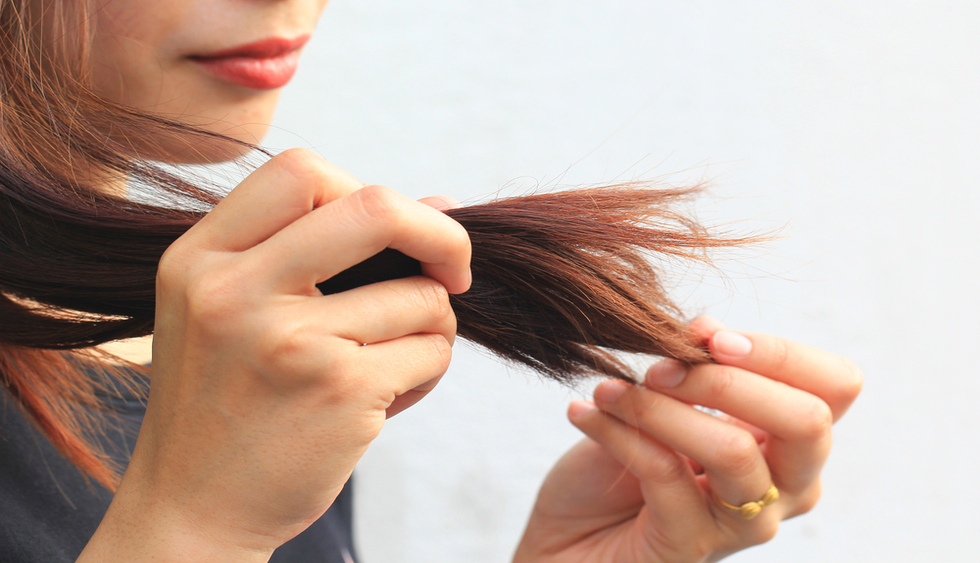
    Some parameters and characteristics should be taken into consideration when assessing hair types and morphologies: shape, density and appearance. The appearance of hair, in the form of lanugo, occurs during the fourth month of pregnancy.
    Hair types and morphology
  • Hair and scalp

    Structure and chemical composition of the scalp

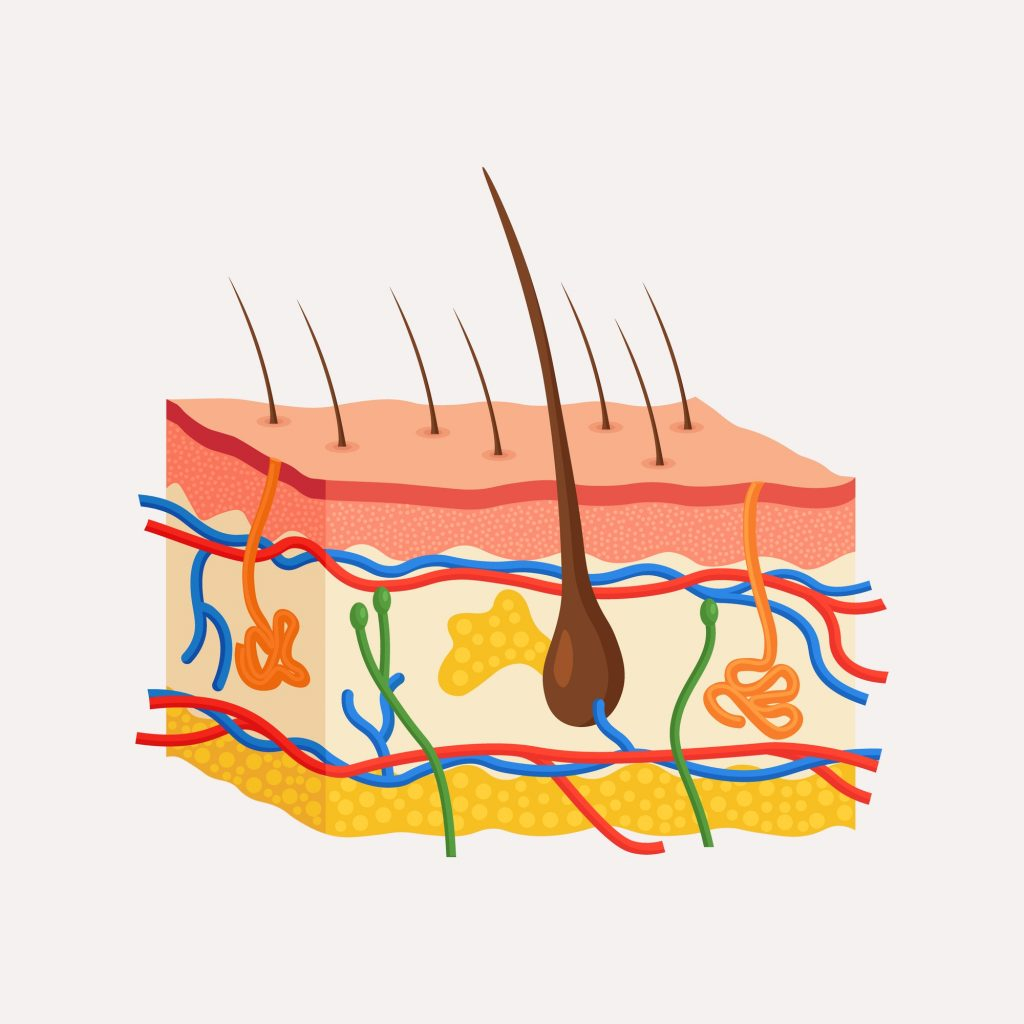
    The scalp is an ultra-specialized area of the skin, where hair is anchored. Like other hair, also the hair on the scalp originates from a hair follicle, called a bulb.
    Structure and chemical composition of the scalp
  • Hair and scalp

    Sebaceous glands

    The sebaceous glands are glands that secrete sebum, an oily, acidic substance with a pH of 3.5. They are connected laterally to the hair follicle. Sebaceous glands are found with a density of approximately 100/cm2 throughout all areas of the skin. In the human body, they are located across the entire surface of the skin, except for the palms of the hands and the soles of the feet. Sebaceous glands are also found in the external auditory meatus (ear canal) and on the eyelids, where they are long and flat. Here they are called tarsal or Meibomian glands.  
    Sebaceous glands
  • Hair and scalp

    Structure and chemical composition of hair

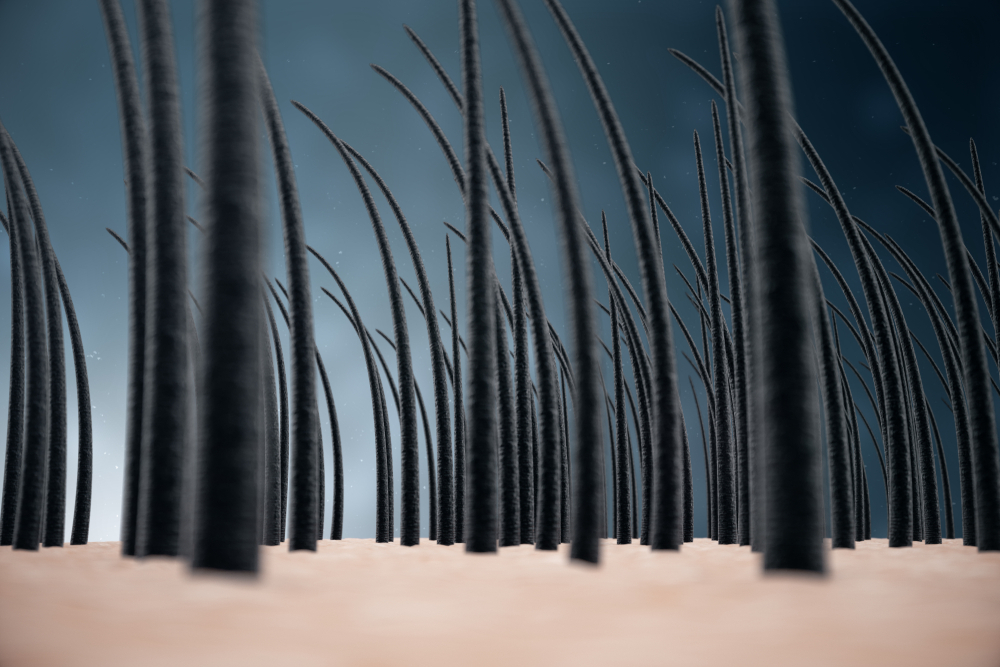
    The hair on our bodies has a particular structure and is divided into thin and thick hair. Thin hair, also called lanugo or vellus, is located on all skin surfaces except for the palms of the hands and the soles of the feet. Thick hair, also called terminal hair, is dark and located only in some areas such as the scalp, the armpits, the pubic area, the beard area in the case of men, etc…
    Structure and chemical composition of hair
  • Hair and scalp

    Hair follicles and bulbs

    Il follicolo pilifero è una formazione di origine epidermica, affondata nel derma e formata dal pelo e dalle sue guaine.La formazione dei follicoli piliferi è precoce. Essi iniziano a comparire già intorno al secondo mese di gestazione. Tali follicoli continueranno a formarsi per tutta la gravidanza. Infatti alla nascita il bambino avrà tutto il corredo di follicoli di cui è stato geneticamente dotato e da questo momento in poi non se ne formeranno più degli altri.Il follicolo pilifero affonda nella cute seguendo una certa inclinazione, per questo motivo i nostri peli normalmente non sono diritti, ma sono leggermente inclinati.
    Hair follicles and bulbs
  • Hair and scalp

    Life cycle of hair

    The life cycle of hair and its subsequent growth occur at a speed of 1-1.5 cm per month. Hair is a living element that follows a follicle cycle with an average duration of 2-6 years. In humans, unlike other mammals that are subject to a periodic change, this cyclic evolution is not synchronous (therefore each hair is independent from the others).
    Life cycle of hair


DIY solutions do not work.

Contact us for a professional and personalized consultation.


Loading...