Hair problems

Article category:

Hair problems
  • Hair problems

    Hyperhidrosis

    Excess sweat production on the entire surface of the body or just in some areas (especially the scalp, palms of the hands, soles of the feet) is called hyperhidrosis.Some of the causes that may lead to temporary hyperhidrosis are physical hyperactivity, fevers, saunas, vomiting and dysentery. Causes that may instead lead to a repeated state of hyperhidrosis are hyperthyroidism, hypoglycemia and alcoholism.
    Hyperhidrosis
  • Hair problems

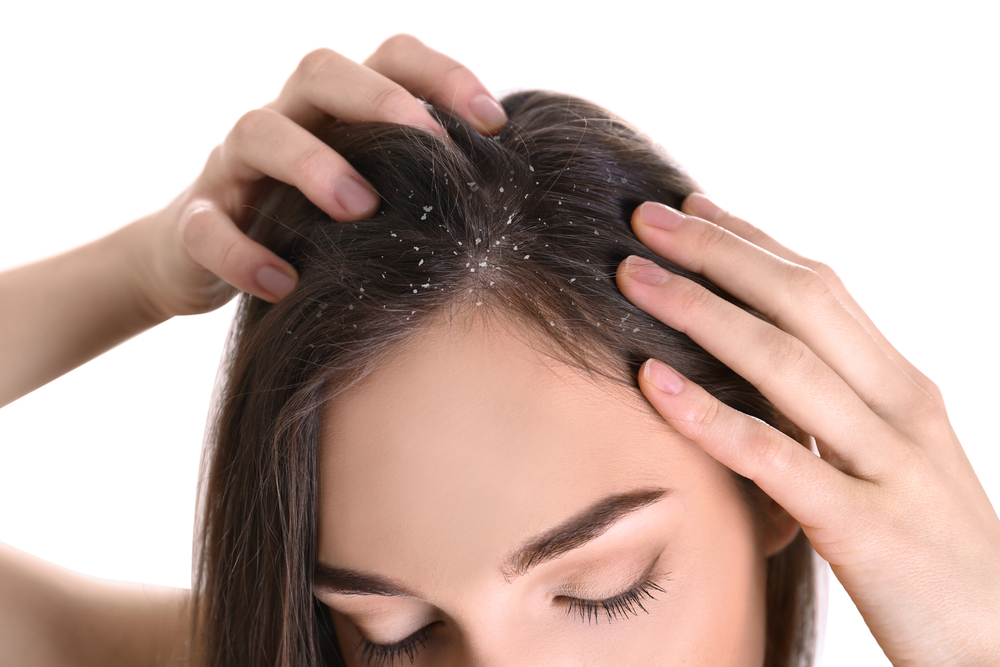
    Dandruff or pityriasis

    Dandruff is a scalp condition that usually arises between the ages of 10 and 25. It may improve between the ages of 45 and 55 or may continue during old age.Its cause is a result of an accelerated turnover of epidermal cells, which following an increase in migration speed, are unable to reach complete maturity before detaching. Whitish-yellow flakes (masses of corneum cells) form and detach, gathering in patches or often spreading evenly across the scalp.
    Dandruff or pityriasis
  • Hair problems

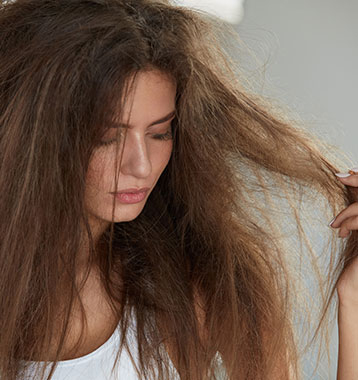
    Dry hair

    Both men and women of any age may have dry hair. This situation is endured not only as an aesthetic problem, but in time may represent a problem concerning hair health. Dry hair often appears weak, fragile and tends to become brittle and to break.Dry hair often has split ends and other forms of damage to the shaft.
    Dry hair
  • Hair problems

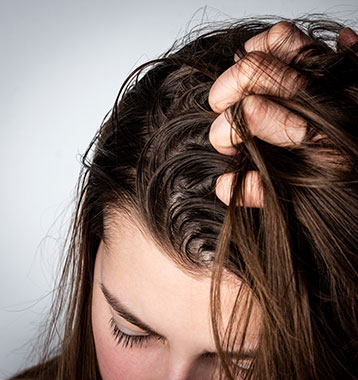
    Greasy hair

    Some parameters and characteristics should be taken into consideration when assessing hair types and morphologies: shape, density and appearance. The appearance of hair, in the form of lanugo, occurs during the fourth month of pregnancy.
    Greasy hair
  • Hair problems

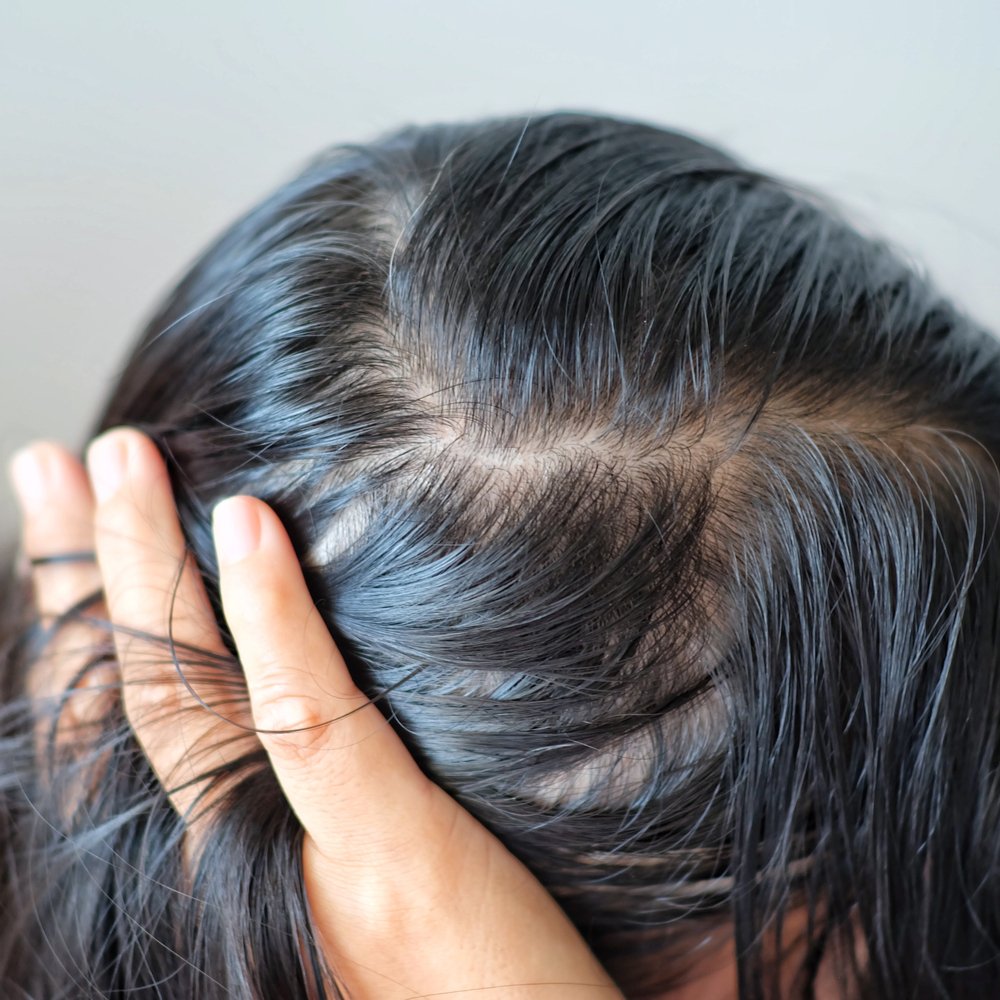
    Thin hair

    Genetic factors influence and determine hair diameter. Their volume varies from person to person. That’s why some people are born with fine hair, while others have thick hair right from birth. Hair diameter is a really important factor. Not only does it define their look, but it also gives us info about their health. Fine hair tends to be less attractive, less lively, weaker and more vulnerable than thick hair, so it’s more affected by external and internal factors.
    Thin hair


DIY solutions do not work.

Contact us for a professional and personalized consultation.


Loading...