Mini Cart
 Italiano
  Português
  Français
  Español
  CONTACTS
 CENTERS
 PRODUCTS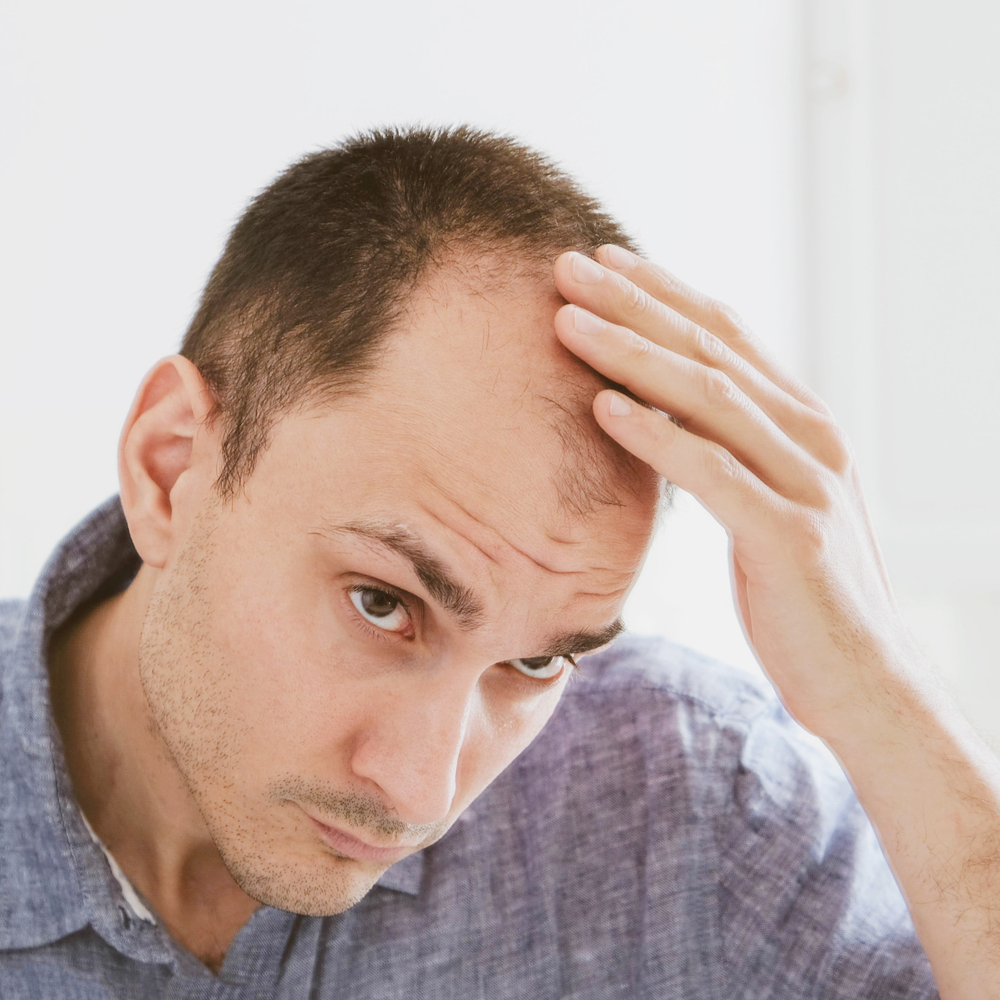
L'alopécie androgénétique est la forme de perte de cheveux la plus fréquente ; elle touche la majorité des hommes de type caucasien, à des degrés de gravité variables. Elle est moins fréquente au sein des autres groupes ethniques. Bien qu'elle soit souvent associée à des antécédents familiaux de calvitie, l'absence d'autres cas dans la famille n'exclut pas ce diagnostic. Cette affection se caractérise par une perte progressive des cheveux au niveau du sommet du crâne (le vertex), de la ligne frontale et des tempes.
Read More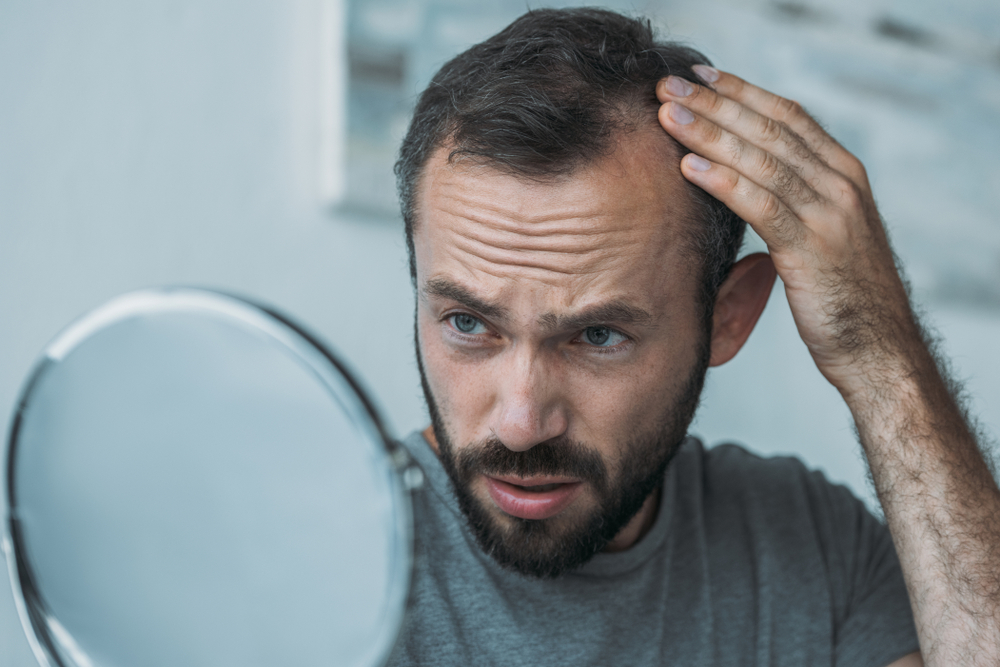
La chute de cheveux séborrhéique est une forme de perte prématurée des cheveux qui touche généralement les hommes dès leur jeunesse (début entre 20 et 30 ans), affectant principalement la zone frontale et le sommet du crâne. Comme le nom de l'affection l'indique, la cause est liée à une production excessive de sébum qui provoque ou accélère la chute des cheveux.
Read More
La chute des cheveux est considérée comme physiologiquement normale lorsqu'elle se limite à une centaine de cheveux par jour. Au cours d'une vie, les cheveux poussent, tombent et repoussent une vingtaine de fois. Chaque cycle, en particulier chez la femme, peut durer jusqu'à six ans ; une chute de cheveux survenant durant cette période est donc considérée comme tout à fait physiologique.
Read More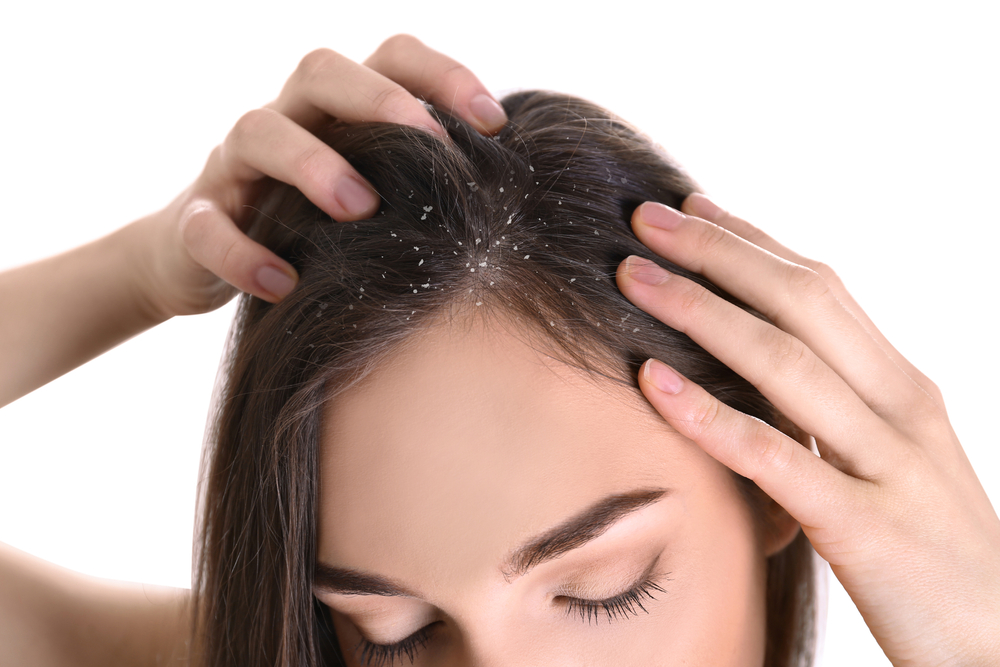
Dandruff is a scalp condition that usually arises between the ages of 10 and 25. It may improve between the ages of 45 and 55 or may continue during old age. Its cause is a result of an accelerated turnover of epidermal cells, which following an increase in migration speed, are unable to reach complete maturity before detaching. Whitish-yellow flakes (masses of corneum cells) form and detach, gathering in patches or often spreading evenly across the scalp.
Read More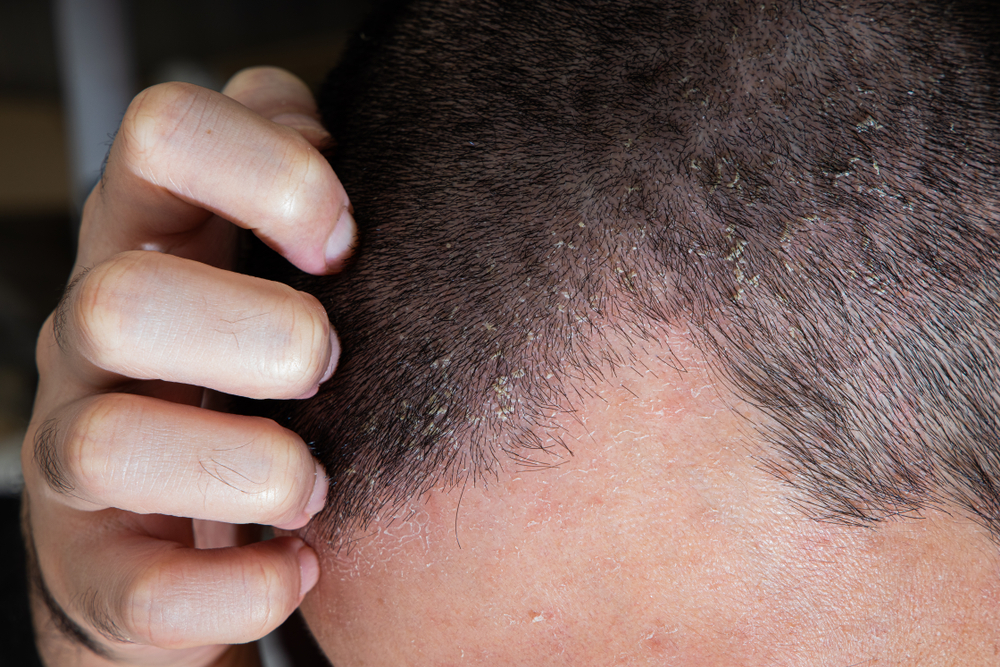
La dermatite séborrhéique est une affection du cuir chevelu très fréquente, caractérisée par la présence de squames jaunâtres et grasses sur la peau.
Read More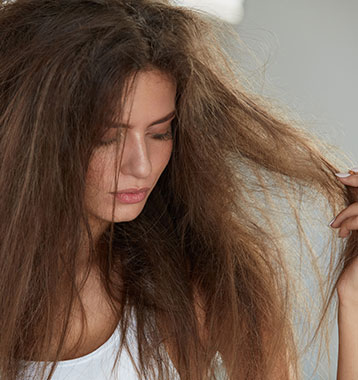
Both men and women of any age may have dry hair. This situation is endured not only as an aesthetic problem, but in time may represent a problem concerning hair health. Dry hair often appears weak, fragile and tends to become brittle and to break. Dry hair often has split ends and other forms of damage to the shaft.
Read More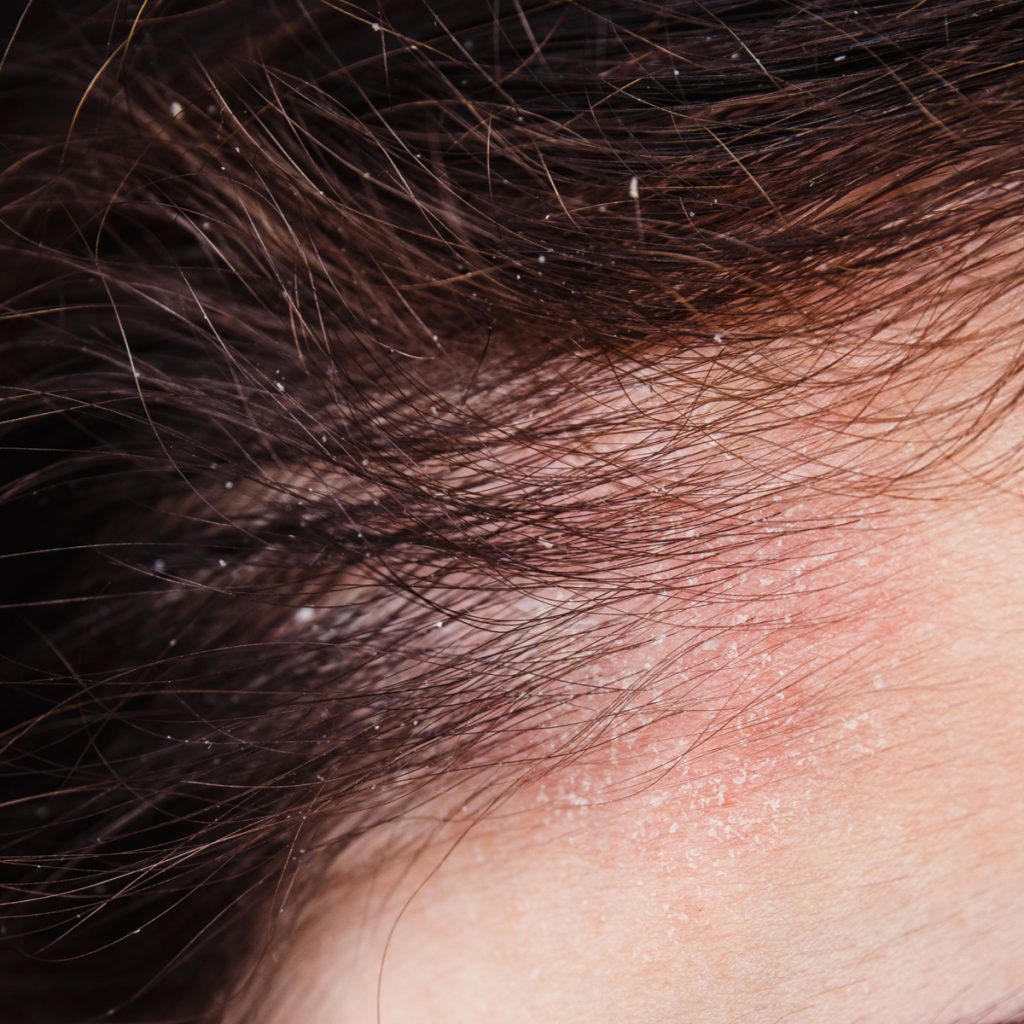
Dry skin or asteatosis is a scalp condition deriving from a lipid deficiency. It is often associated with a situation of exacerbated dehydration. We can identify both internal and external causes for this anomaly.
Read More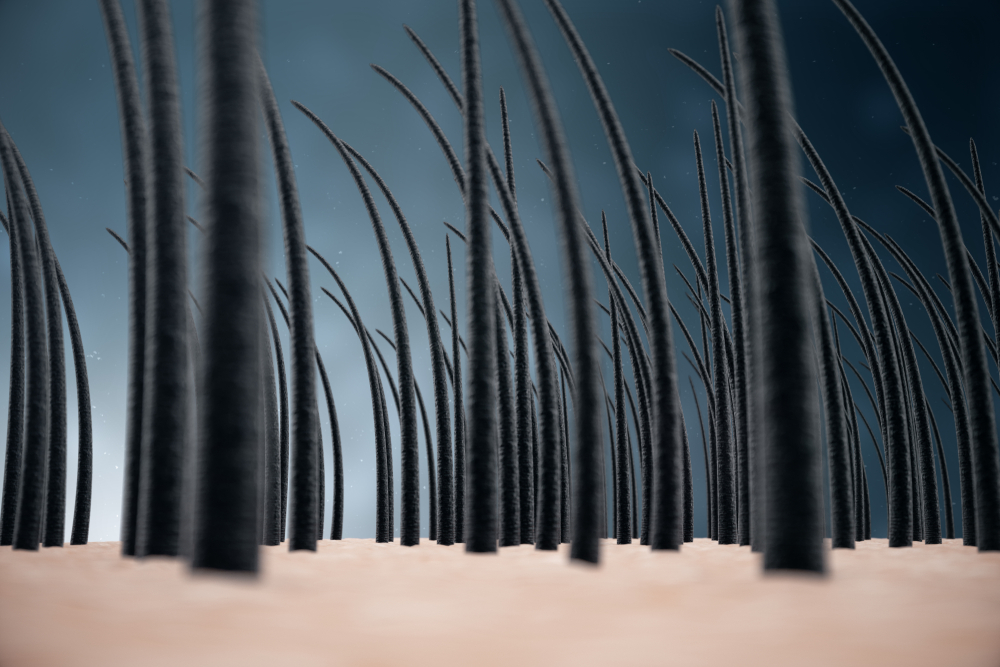
Un follicule pileux est une formation d'origine épidermique, ancrée dans le derme et constituée d'un poil et de sa gaine. La formation des follicules pileux est précoce ; ils commencent à apparaître dès le deuxième mois de gestation. Ces follicules continuent de se former tout au long de la grossesse. À la naissance, le bébé possède la totalité du capital folliculaire pour lequel il est génétiquement programmé, et aucun autre ne se formera par la suite.
Read More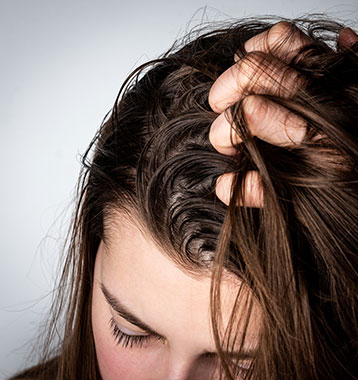
Some parameters and characteristics should be taken into consideration when assessing hair types and morphologies: shape, density and appearance. The appearance of hair, in the form of lanugo, occurs during the fourth month of pregnancy.
Read More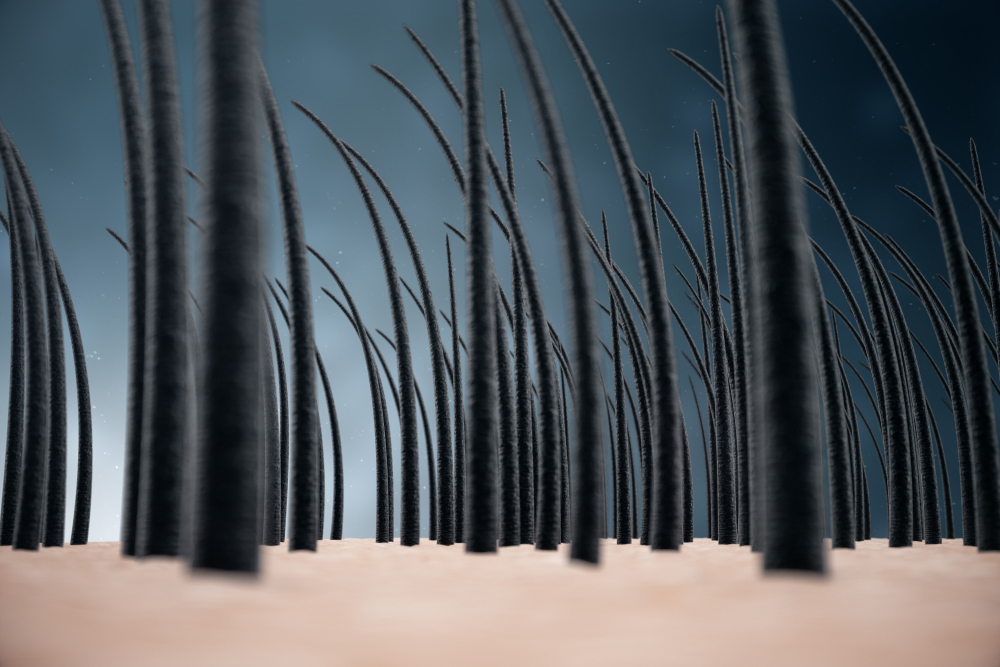
A hair follicle is a formation of epidermal origin, anchored in the dermis and consisting of a hair and its sheath. The formation of hair follicles occurs early. They begin to appear as early as the second month of gestation. These follicles will continue to form for the entire duration of the pregnancy. At birth, the baby will indeed have the entire supply of follicles with which it was genetically equipped and from this moment on, no others will form.
Read More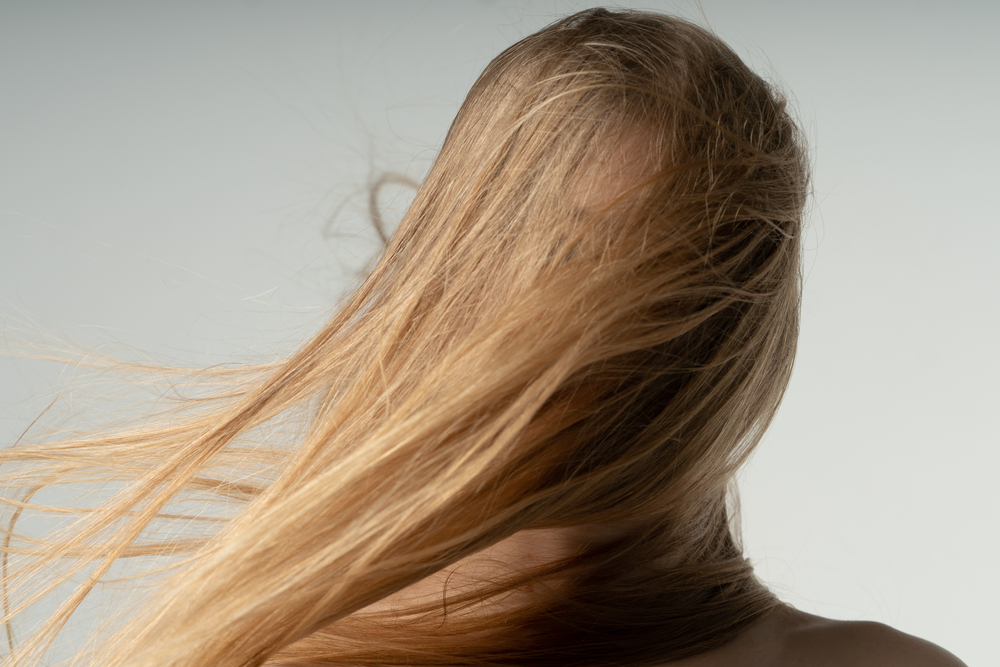
Some parameters and characteristics should be taken into consideration when assessing hair types and morphologies: shape, density and appearance. The appearance of hair, in the form of lanugo, occurs during the fourth month of pregnancy.
Read More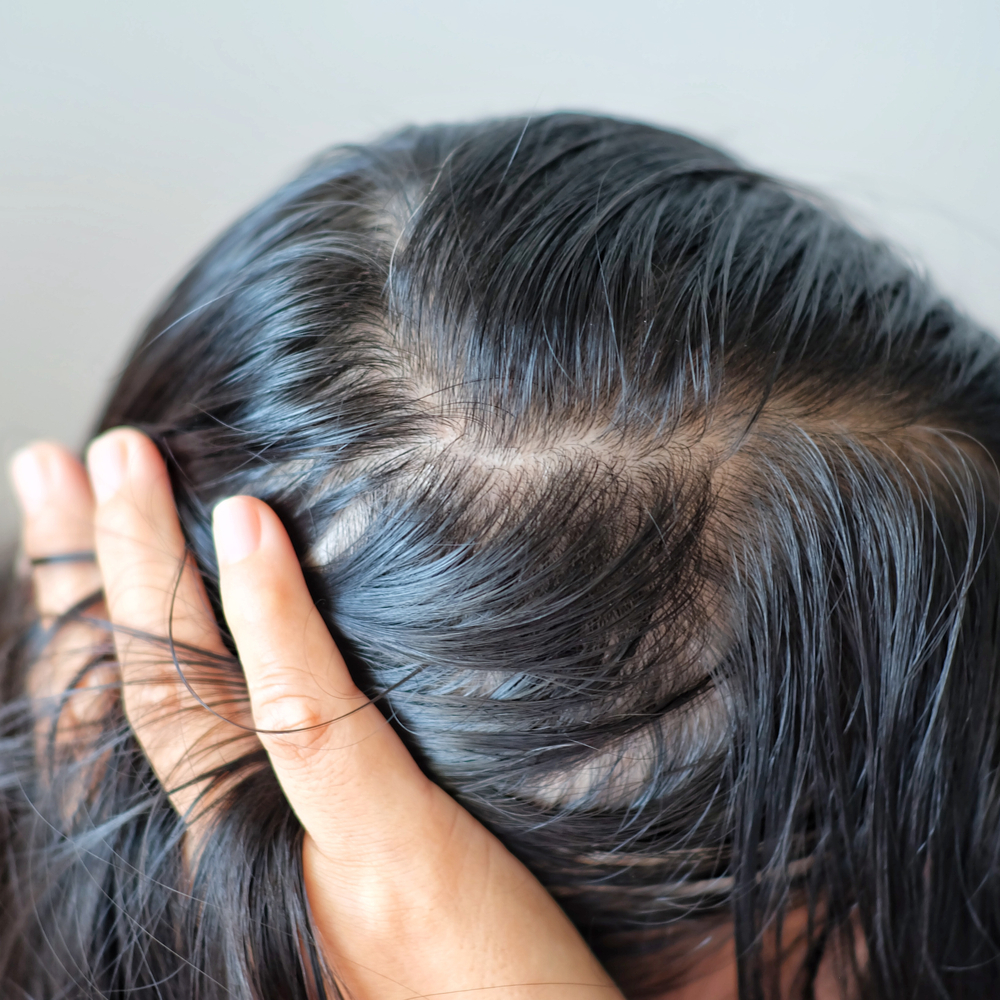
Excess sweat production on the entire surface of the body or just in some areas (especially the scalp, palms of the hands, soles of the feet) is called hyperhidrosis. Some of the causes that may lead to temporary hyperhidrosis are physical hyperactivity, fevers, saunas, vomiting and dysentery. Causes that may instead lead to a repeated state of hyperhidrosis are hyperthyroidism, hypoglycemia and alcoholism
Read More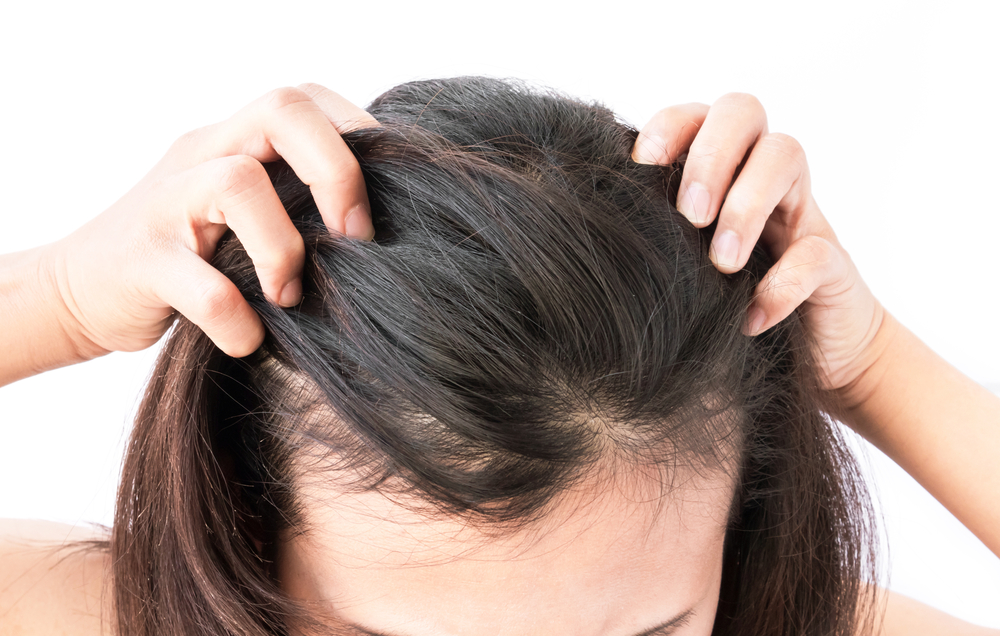
Hyperseborrhea or hypersecretion of sebum is simply a scalp problem due to an excessive production of sebum caused by hyperactivity of the sebaceous glands. Immediate symptoms of hyperseborrhea are scalp itchiness and pain. However, a later symptom is hair loss.
Read More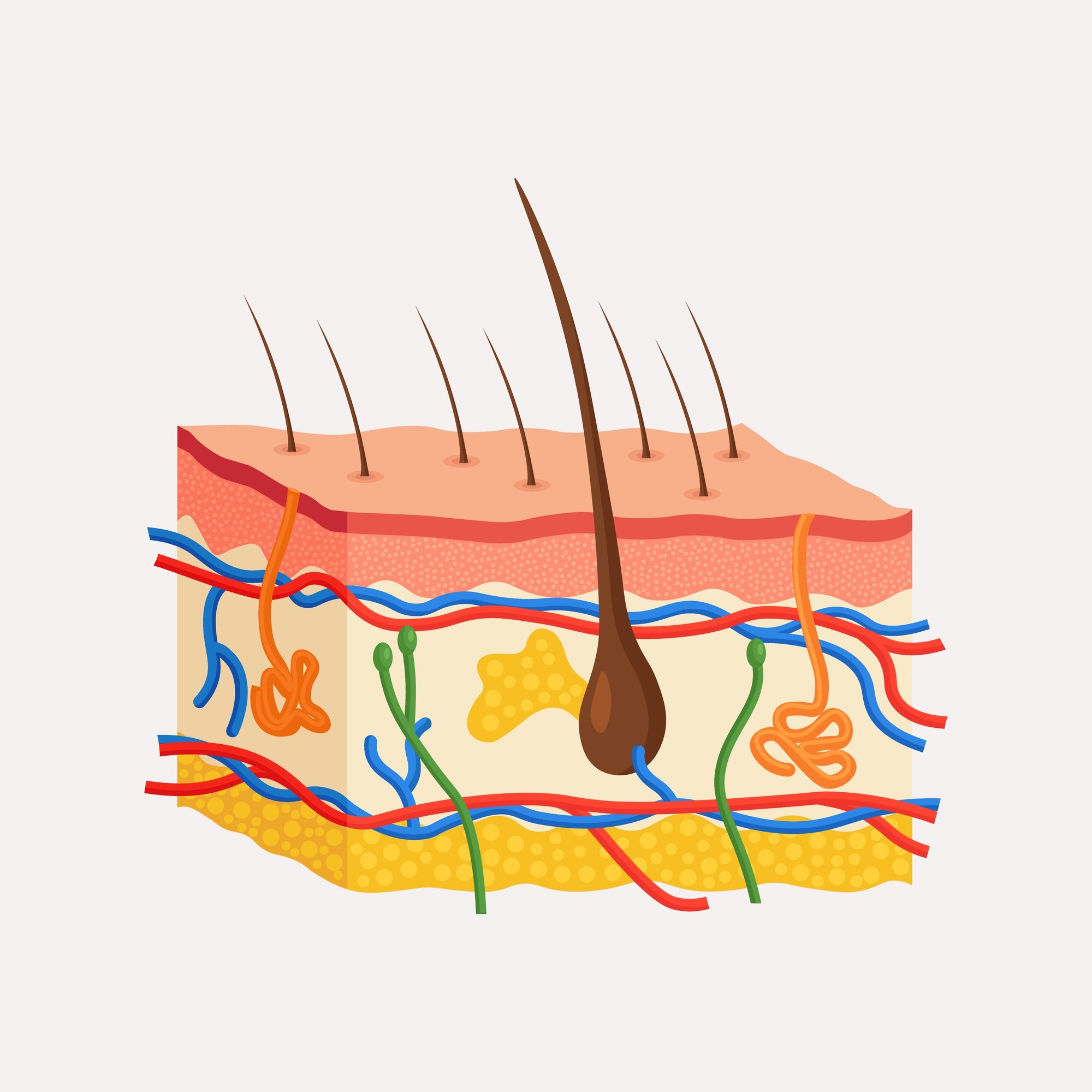
Les glandes sébacées sont des glandes qui sécrètent du sébum, une substance huileuse et acide dont le pH est de 3,5. Elles sont reliées latéralement au follicule pileux. On trouve des glandes sébacées avec une densité d'environ 100 par cm² sur l'ensemble de la peau. Chez l'être humain, elles sont réparties sur toute la surface cutanée, à l'exception de la paume des mains et de la plante des pieds.
Read More
The life cycle of hair and its subsequent growth occur at a speed of 1-1.5 cm per month. Hair is a living element that follows a follicle cycle with an average duration of 2-6 years. In humans, unlike other mammals that are subject to a periodic change, this cyclic evolution is not synchronous (therefore each hair is independent from the others).
Read More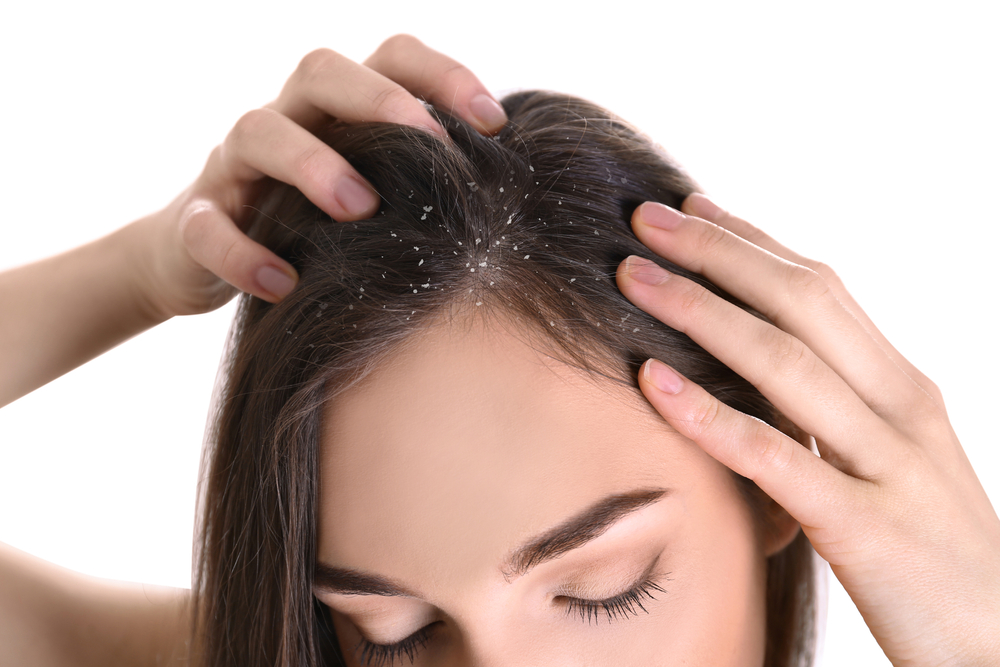
Les pellicules sont une affection du cuir chevelu qui apparaît généralement entre 10 et 25 ans. Elles peuvent s'atténuer entre 45 et 55 ans ou persister jusqu'à un âge avancé. Elles résultent d'un renouvellement accéléré des cellules épidermiques : en raison d'une migration trop rapide, ces cellules ne parviennent pas à maturité complète avant de se détacher. Des squames blanchâtres ou jaunâtres (amas de cellules de la couche cornée) se forment et se détachent, s'accumulant par plaques ou se répartissant souvent de manière uniforme sur le cuir chevelu.
Read More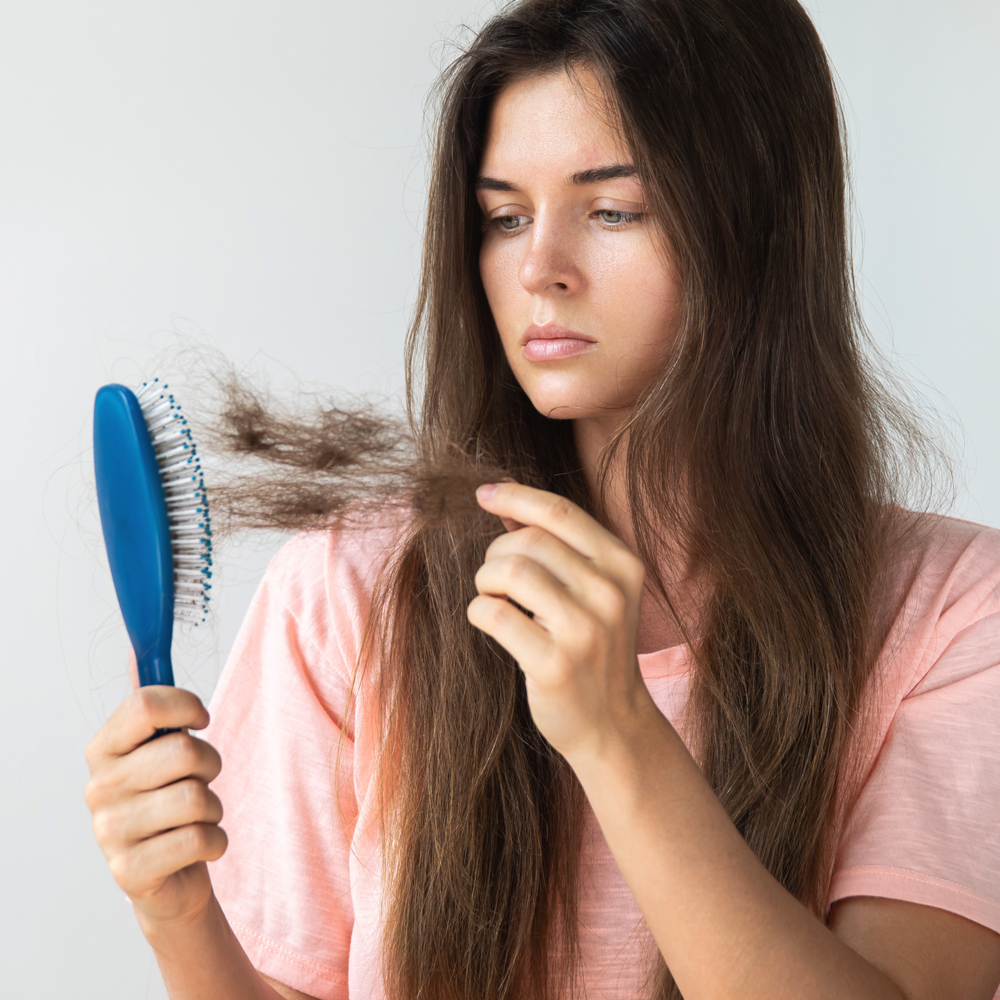
With the term Telogen Defluvium we mean a modest, not excessive, loss of hair in the telogen phase, but which tends to often be irreversible, with the precise characteristics of hair in decay or involution. The hair that falls out is usually short and fine, with bulbs that are undeveloped and reduced in size.
Read More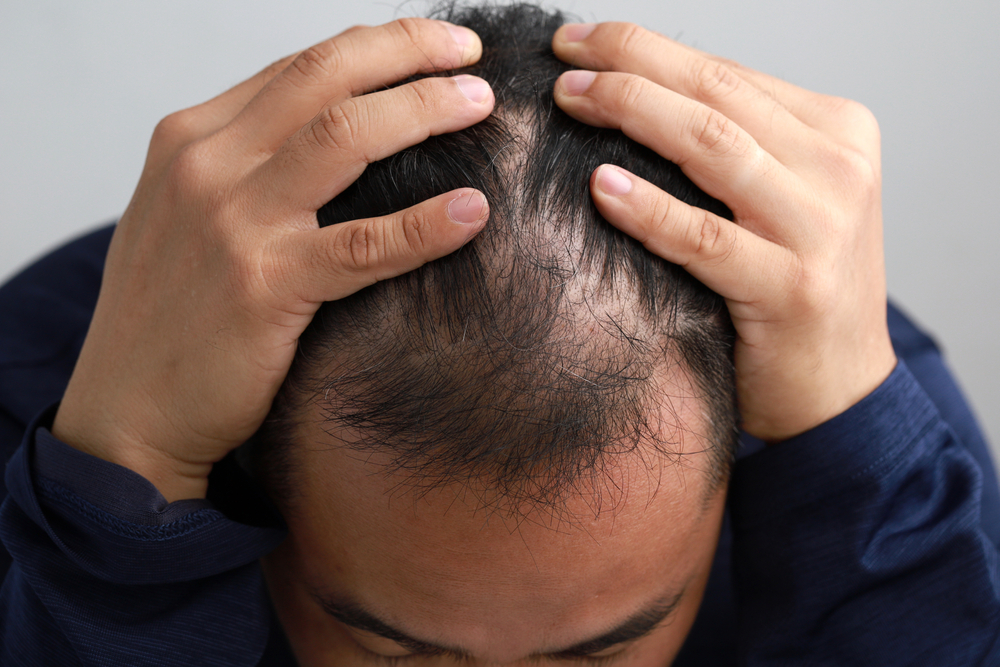
Psychogenic alopecia is a type of hair loss related to stress. Though not yet scientifically explained, this connection is well-known in the experience of those working with the problem. In addition to stress, other causes are personality disorders, states of anxiety and depression, all of which are conditions of acute or chronic stress.
Read More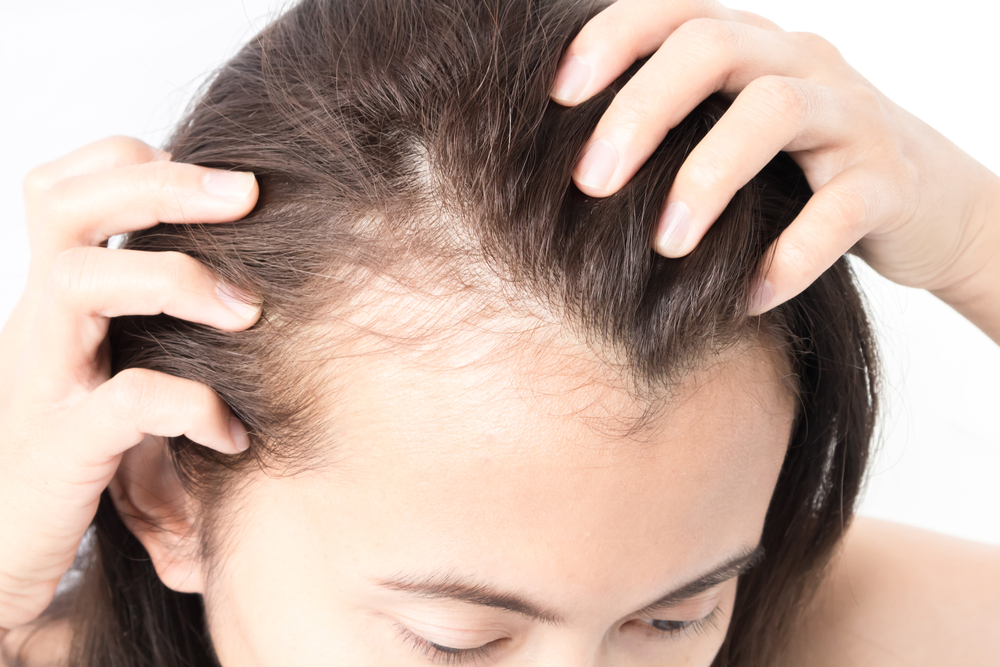
Scalp pain and irritation (or trichodynia) are pathological conditions that affect both women (in a greater percentage) and men (in a lower percentage). The pain felt on the scalp, spontaneous or caused by treatment, and in particular around the roots of the hair, may be more or less intense, alternating at times between periods of disappearance, associated with burning, tingling or itching.
Read More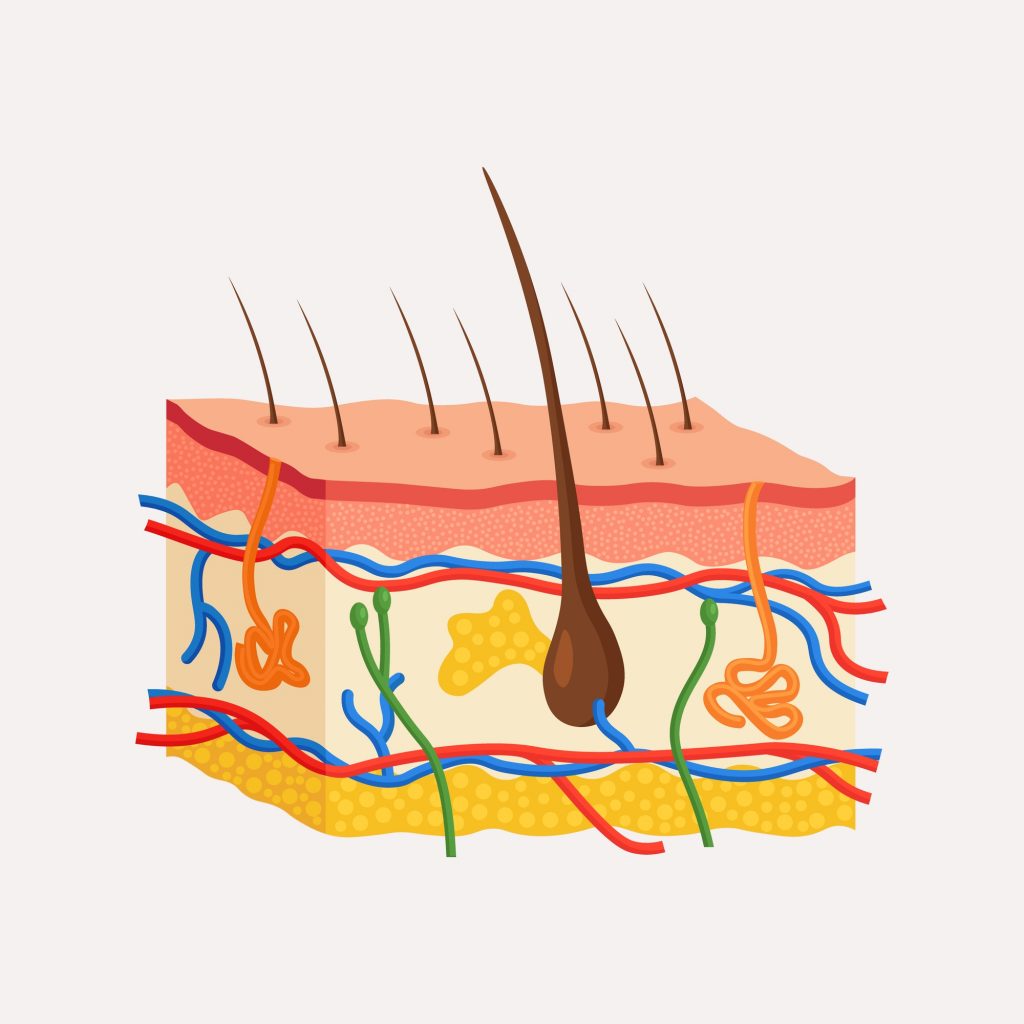
The sebaceous glands are glands that secrete sebum, an oily, acidic substance with a pH of 3.5. They are connected laterally to the hair follicle. Sebaceous glands are found with a density of approximately 100/cm2 throughout all areas of the skin. In the human body, they are located across the entire surface of the skin, except for the palms of the hands and the soles of the feet. Sebaceous glands are also found in the external auditory meatus (ear canal) and on the eyelids, where they are long and flat. Here they are called tarsal or Meibomian glands.
Read MoreHair and Scalp
READ ALL ARTICLESHair Loss
READ ALL ARTICLESHair Problems
READ ALL ARTICLESScalp Problems
READ ALL ARTICLESAlopecia
READ ALL ARTICLESPreventions and Solutions
READ ALL ARTICLESHair loss solutions for you. CRLAB, specialists in the well-being of your hair and scalp.

FIND YOUR NEAREST CENTER
Let our experts find the best solution for you.
FIND YOUR NEAREST CRLAB CENTER
BOOK A CONSULTATION
Book a consultation with our experts. Find out more about CRLAB solutions.
MAKE AN APPOINTMENT
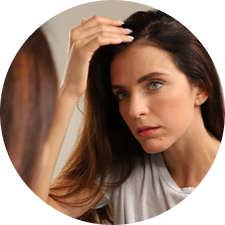
Trichology scalp and hair care
To put the health back into your hair, you first need to nourish your scalp. Our trichology treatments care for your scalp and hair, using cutting-edge technologies with a full range of laboratory-tested products. All made with high quality raw materials.
Find out more
Hair prosthetic system
The ultimate answer to your hair loss. Rediscover yourself, with naturally thick hair. A patented solution that integrates real hair into areas where you’re experiencing thinning or hair loss. A fully customized hair enhancement that will look totally natural on you. Plus, it’s so functional, it gives you the freedom to live your life the way you want to.
Find out more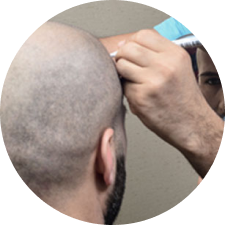
Hair transplant surgery
Hair transplantation is recommended for those who wish to improve hair density and coverage. The degree of thinning may vary and must be assessed in relation to the donor area.
Find out more